Attracting Birds  |  January 15, 2019

Attract Hummingbirds To Your Backyard

In the United States, you can find over 16 kinds of Hummingbirds. For people east of the Rockies, the most prevalent by far is the Ruby-Throated Hummingbird. In fact, the Ruby-Throated Hummingbird is the most widely distributed of the world’s 338 species of Hummingbirds, all of which occur ONLY in the Western Hemisphere.

hummingbirds

The Ruby-Throated Hummingbird is often found between woodland and meadow. However, it has adapted well to human development, but only if there is shelter, space and food. Thus, it is frequently seen in suburban backyards with mature trees and shrubs, in wooded parks, and around farmsteads.

The Keys to Attracting Hummingbirds are to provide Food, Help for Nesting, and Misters (Water) for them to fly through. Read on and learn how to make your yard a “Hummingbird Haven”.

Quality Food

Most people know the popular food of choice for hummingbirds – nectar! The sucrose (sugar) from nectar gives hummingbirds the energy needed for their high metabolism as well as swift flight and busy lives. Nectar also serves as hummingbird’s primary source of water.

Just like all other species, hummingbirds need a complete diet to thrive. Along with nectar, hummingbirds also need protein, amino acids, and different vitamins and minerals. Hummingbirds eat small insects, larvae, and insect eggs which provide the required fat, proteins, and salts for their diets.

How do you plan your backyard feeding station? Offer hummingbird feeders filled with (always) fresh nectar. Try the Songbird Essentials line of ready-to-use nectars, or ready to mix nectars. Provide perches for hummingbirds to defend their favorite feeder as well as look out for intruders. Do not spray insecticides and consider planting native plants in your backyard habitat.

Native Plants

What is the easiest way to find the location of all native plant nurseries, native plants for your area, and other educational information?
Just visit: http://grownative.org/resource-guide/

Clean, Fresh Water

Hummingbirds, like many birds, need and are attracted to fresh water. One of the best ways to attract hummingbirds is with a “misted” fine spray. We love Songbird Essential’s Easy Mister. Attach it to a hose after watering flowers and get ready to see hummers zip through the mist. Only uses .75 Gallons of water per hour!!

Safe, Secure Shelter (including nesting sites)

A hummingbird nest is not much bigger than a quarter, and often it contains just 2-3 eggs no bigger than small peas. It’s typically hard to see, as it blends in well to the tree branch it’s attached to, and is made of fine animal or plant down and moss or lichens. Hummingbirds have been proven to really take to a product called “Hummer HelperTM” Nesting Material, which provides a natural replacement for some hard to find materials.

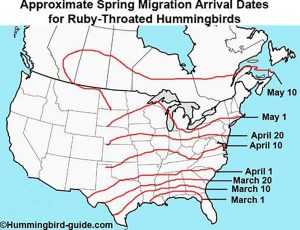
Track Hummingbird Migration

We typically use “Tax Day” April 15th as a rule of thumb to expect Hummingbirds in Central Missouri. Our friends over at Hummingbird Central have hosted an interactive map where you can track Hummingbird migration or review the migration patterns from previous years.


Approximate Arrival Dates
Tips Brochure:

Hummingbird TIPs Trifold

Attracting Birds, Bluebirds  |  January 11, 2019

Attract Bluebirds to Your Backyard

The Eastern Bluebird is the state bird of Missouri. These small, brightly colored birds (males have a blue upper body, red breast, and white belly; females look similar but are slightly larger and duller in color.) Their population declined as suburban developments grew and their preferred habitat (farmlands, forests and grasslands) shrank, but bird lovers have become more attentive to their needs.

They live year-round in many parts of the state and readily nest in man-made boxes, so there’s a great deal of local interest in attracting these “harbingers of spring.”

Quality Food:

Bluebirds typically eat insects and fruit, so planting native plans like American Bittersweet is a great way to attract and help them. They also love mealworms, which at 50.4% protein, are an excellent nutrition source !

They will eat mealworms from a cup or pan, but Bluebirds wilt rapidly consume whatever you put out. Bluebird Feeders force the bird tö go through an entrance hole to find the worms, and most other birds will not do so. They will also eat Sunflower Kernels from Songbird Essentials Spiral Feeders.

If you’re patient and consistent, Bluebirds will also respond to whistles and other calls when your feeder is refilled — try it!

Clean, Fresh Water:

Eastern Bluebirds drink water from ponds, streams and birdbaths and seem to prefer running water versus standing water. Keep water sources fresh and clean, and in the winter, use heated birdbaths or bird bath de-icers.

Safe, Secure Shelter (including nesting sites)

Eastern Bluebirds are cavity nesters, and common natural nesting sites include tree holes, rotted out fence posts and old orchards. The entrance hole to a man-made bird house needs to be just the right size; for the Eastern Bluebird, that’s 1.5″ in diameter, with about a 4″ by 4″ floor.

Many customers use our Songbird Essentials Ultimate Nest Box. With Plexiglas on one side (so you can monitor the nest), a copper predator protector around the entrance hole, and an elevated mesh floor, it’s provides durable shelter for Bluebirds and their young.

Place nest boxes at least 100 yards apart, since Bluebirds are territorial during nesting season. They will nest in boxes at varying heights from the ground, but putting them at 4 to 5 feet high makes it easy to monitor them.

It can be helpful to install a T-shaped perching cross approximately 10 to 20 yards in front of the nest box. The male acts like a tiny hawk when it has chicks, waiting patiently for an insect or beetle to show, then pouncing on it.

Fledglings can find their own food in about two weeks, but adults — and sometimes youngsters from the first brood! — will bring food to the family. This often continues until fall and sometimes Bluebird families stay together until spring.

Bluebirds do prefer more “open area” than other nesting birds, so heavily wooded yards will probably not attract them.

Sources for more info:
https://extension2.missouri.edu/g9429

Tips Brochure:

Bluebird TIPs Trifold

Cardinal, Attracting Birds  |  

Attract Cardinals to Your Backyard

One of the most loved and well-recognized Missouri birds is the Northern Cardinal (so named because its color matches the robes of Catholic Cardinals.) This photogenic songbird can be seen on an incredible variety of gift items, clothing and home décor. The contrast of the bright red bird against freshly fallen snow is visually appealing. By the way, it is the male cardinal that we think of; the female’s color is a grayish tan.

cardinals

Cardinals are popular not only for their looks; they reward us richly and rapidly if we scatter a few handfuls of their favorite seed on the ground or on a low feeding table. Both the male and the female sing a pleasant, simple song that’s often counter sung (the male answers the female on a slightly different pitch).

Did you know that they do not migrate? Cardinals have increased their breeding range to the North and West as the number of suburbs and bird feeders has grown.

Here’s more specific information on the food, water and shelter requirements of Northern Cardinals.

Quality Food

Seeds that Cardinals prefer include Black Oil Sunflower, Safflower, or a mixture of both. The Cardinal’s large bill also allows them to crack open the larger striped sunflower seeds. They typically eat in the early morning or late evening.

Cardinals are “ground” feeders and will also eat from other flat surfaces. So look for sturdy wood platform feeders (hopper, fly through and open platform) and place them about five feet above ground level. They prefer protective cover when feeding, so they’re more likely to eat if the feeder is placed near trees or shrubbery.

Though tube feeders are popular with bird lovers, the perches on them are usually too small for Northern Cardinals to feed comfortably. You need to attach a tray, and Songbird Station carries one for nearly everqtube feeder made!

In the Spring, look for their ” Mate Feeding Ritual”, when a male Cardinal offers a female a carefully selected seed.           

They do eat some insects and that is typically what they feed their young.

Clean, Fresh Water

Northern Cardinals drink water by scooping it into their bill and tipping their head back. Bird baths and bird waters need to accommodate the size of these larger songbirds, with water depth of 2 or 3 inches at the deepest point being best. Adding drippers to keep the water moving will help attract them to your bird bath.

Since they live in the same place all year, even during the winter, refill bird baths often, buy a deicer, or use a heated bird bath. Whatever you choose, change water often to keep it fresh and prevent dirt and algae building on their water source.

Safe, Secure Shelter (including nesting sites)

Northern Cardinals will not use nest boxes. They prefer to live along the edges of woods, near shrubs and in dense thickets of vine-y shrubs, and that’s usually where they build their nests. Don’t put feeders or seed so low that predators (such as cats) can easily get to them.

Planting fruit-bearing shrubs such as junipers, dogwoods, honeysuckle and viburums is sure to please them.

For nesting material, Cardinals prefer pine needles, small twigs, grass clippings, and other similar material.

More questions about attracting Cardinals to your yard in Central Missouri? Come in to Songbird Station and ask one of our friendly experts. We can also help you choose the perfect seed and feeders.

Tips Brochure:

Cardinals TIPs Trifold

Attracting Birds  |  January 10, 2019

Attracting Birds

Western Kingbird
Western Kingbird by Gary L. Clark / Wikimedia.

Columbia is an excellent location for backyard birders, since more than 400 of the 900 bird species in North American have been spotted in Missouri. About 150 species regularly nest in our state. And bird watching is a popular hobby that individuals and families of all ages can enjoy. It’s easy and inexpensive to get started and you can enjoy wild birds without ever leaving your home or backyard.

Songbirds and other wild birds need easy access to three things in order to survive. Providing these will transform your yard into a haven, encouraging birds to visit your yard and keep returning.

  • Quality Food
  • Clean, Fresh Water
  • Safe, Secure Shelter (including nesting sites)

Keep reading for an overview of these requirements or go directly to species-specific pages for the following popular birds. We will be adding more pages, and members of our store staff are also available to answer questions or recommend products. Here’s how to Contact Songbird Station.

Quality Food:

Though it is not necessary, you’ll attract the widest variety of birds if you feed year-round, not only in winter. That’s because different species visit feeders during different seasons. You’ll also catch birds in different stages of life if you do so —for example, in spring and summer, many young birds will follow their parents to the feeder. It’s fascinating to watch momma and poppa bird teach their fledglings how to crack open a seed!

You’ll tempt the widest variety of wild birds if you use different types of bird feeding stations and bird seed. There are differences in feeding habits among birds.

Some songbirds prefer to feed on the ground, so a platform feeder works well for them; hanging feeders are suitable for perching birds and suet feeders work well for insect-eating birds. The type of feeder you need, then, depends on .the type of bird you want to attract.

Similarly, a basic seed mix is a good start for backyard birding, but adding specialized foods will attract a wider variety of birds. Black oil sunflower seeds attract the widest variety of birds that eat seeds and is reasonably priced in bulk. Watch for seed blends that contain common cereal grains such as milo, wheat, oats and rice — few birds eat those, so it’s a false economy to buy cheaper mixes that include these seeds.

Clean, Fresh Water:

One of the most important elements to include in your backyard bird habitat is water, which is essential for both drinking and bathing. A basic bird bath is an easy way to entice birds to visit, but adding water features will encourage new bird species to visit.

Moving water attracts 10 times as many birds, so adding a dripper, mister or bubbler to create motion will encourage them to investigate.

Fresh clean water is even more important in the winter, when many of their usual sources are frozen. De-icers or heated bird baths are often recommended. Birds do bathe in the winter; keeping their feathers clean increases their insulation value.

Safe, Secure Shelter:

Wild birds also need shelter to protect them from the elements and from predators. They also need places to protect and raise their young. Planting native trees and shrubs provides cover that attract birds, but if you really want to entice wild birds to take up residence, add bird houses designed for the species you want to attract.

Most so-called cavity nesters (species such as purple martins, bluebirds and chickadees) will use a bird house, but it’s not as simple as “if you build it they will come.” Birds prefer different nesting locations and house design. For example, bluebirds prefer to be near open fields, near the insects they eat. Purple martins like community housing; you’ve surely seen their distinctive apartment-style bird houses!

Bird houses also need to be the right size for the bird, with the proper size entrance hole. Hanging a bird house at the right height is also a factor. As stated earlier, offering a variety of bird houses, appropriately placed, regularly cleaned, and with nesting material nearby, will enhance your chances of persuading some winged tenants to take up residence.

If you have a good range of food, water, shelter and nesting sites, you encourage many kinds of birds to visit your yard and keep returning. Mix that with a dose of patience and good observation skills, and you’re well on your way to experiencing the joy of observing beautiful birds at close range.

Visit Songbird Station to get advice about choosing the bird products mentioned here; if you bring a picture of your yard we’ll even help you decide where to put everything!

Other resources:

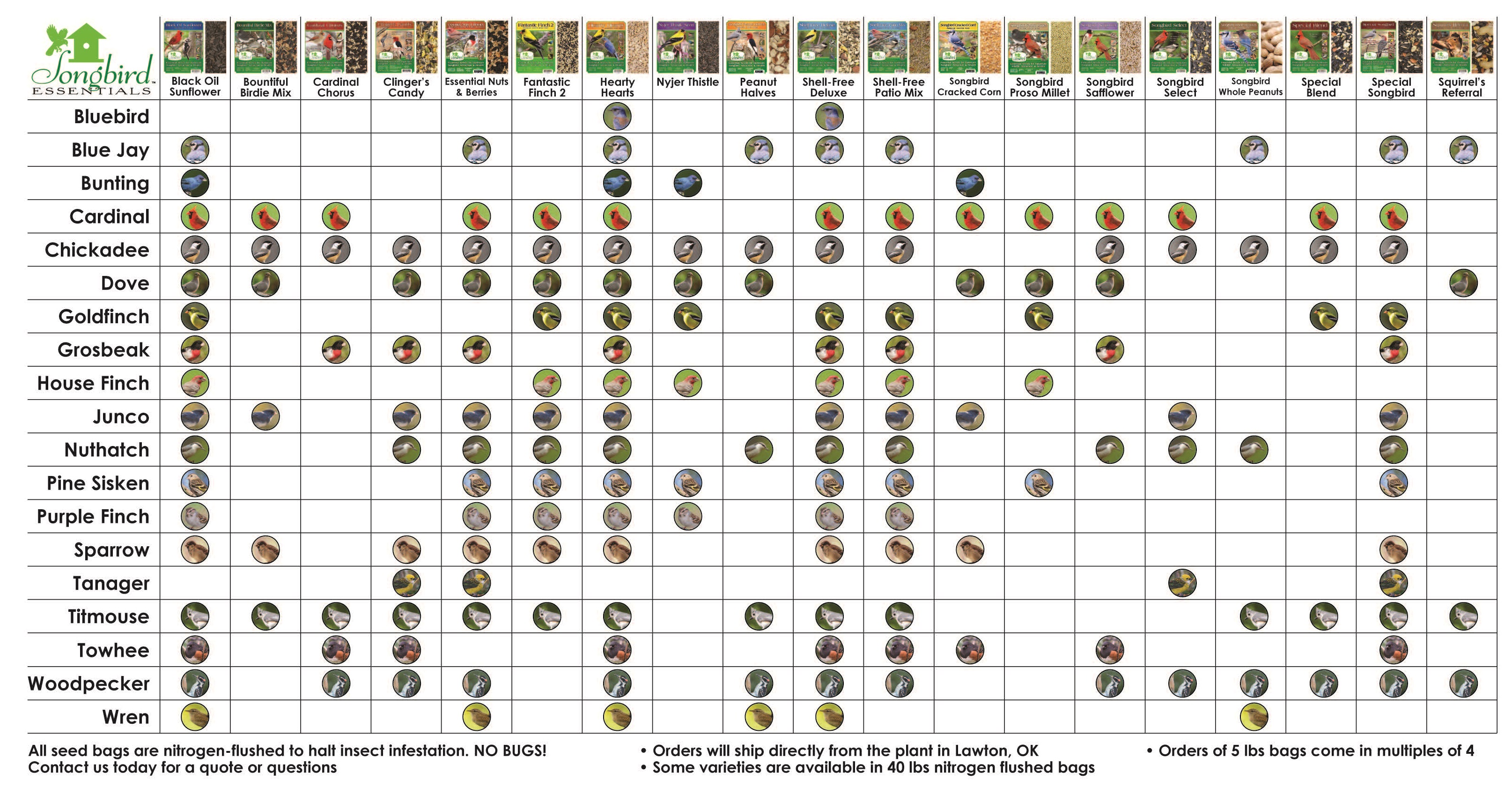
Songbird Essentials Bird Feeding Chart

Food and Feeder Preferences of Common Feeder Birds, from Project FeederWatch

Great Places for Bird Watching in MO, from the Missouri Department of Conservation

10 Highlight Birds of Missouri, from Bird Watcher’s Digest